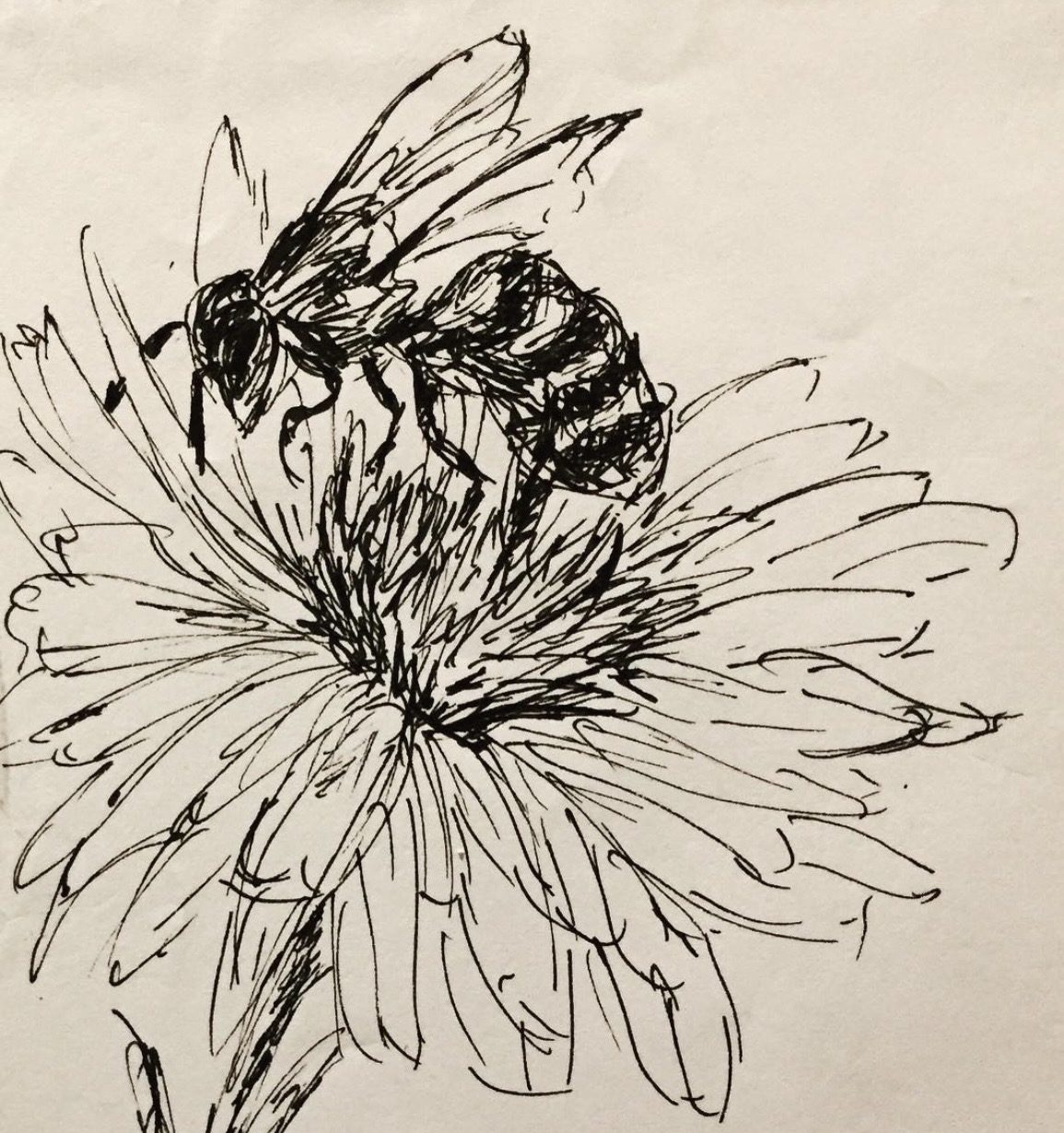
Insects, insects, insects…
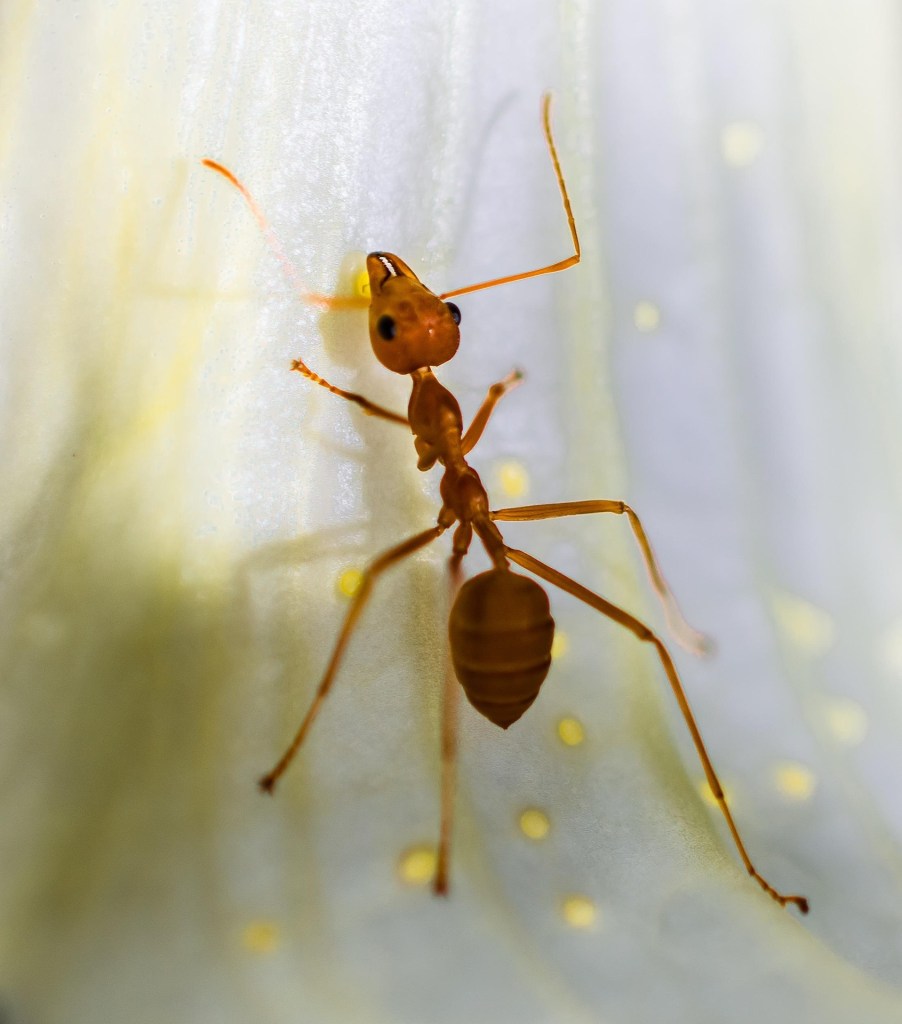
Do you swat wasps away when they buzz too close? Squish silverfish when they’re in your bathroom? Or do you scoop up lone ladybirds and let them run over your fingers? Or marvel at the trail of ants carrying food back for their queen?
Whether you love them or hate them, insects are everywhere. In fact, they make up an estimated 75% of all animal life on Earth. Yet apart from the ones we might call beautiful (like butterflies) or useful (like bees), insects get a bit of bad rap. They often provoke fear and disgust or, at best, plain indifference. And studies have shown that these negative perceptions of insects tend to be stronger in urban areas.
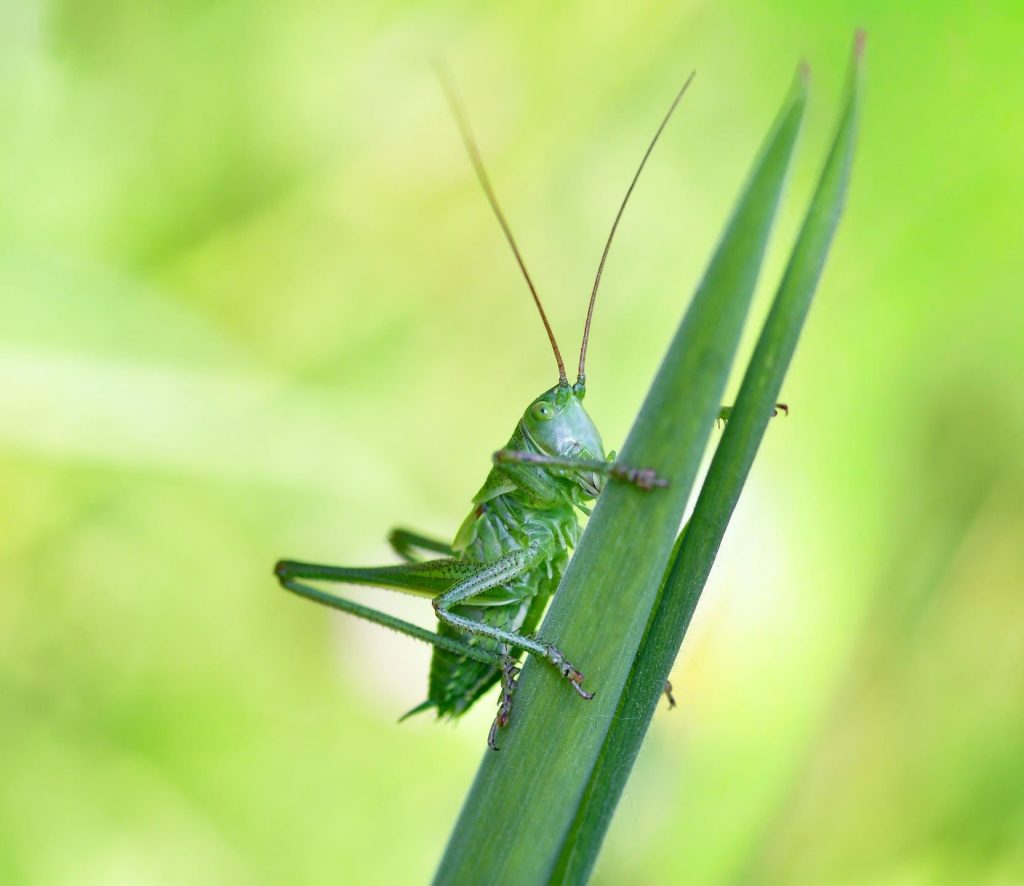
Our project is about finding ways of improving public perceptions of insects and, going one step further, developing effective messages for encouraging people in urban areas to take up realistic, everyday actions for insect conservation, such as building a bug hotel or putting flowers on a balcony. Against the backdrop of horror stories about “Insectageddon” – i.e. an impending global collapse of insect populations – people need to believe that their small actions can make a difference to insect abundance and diversity.
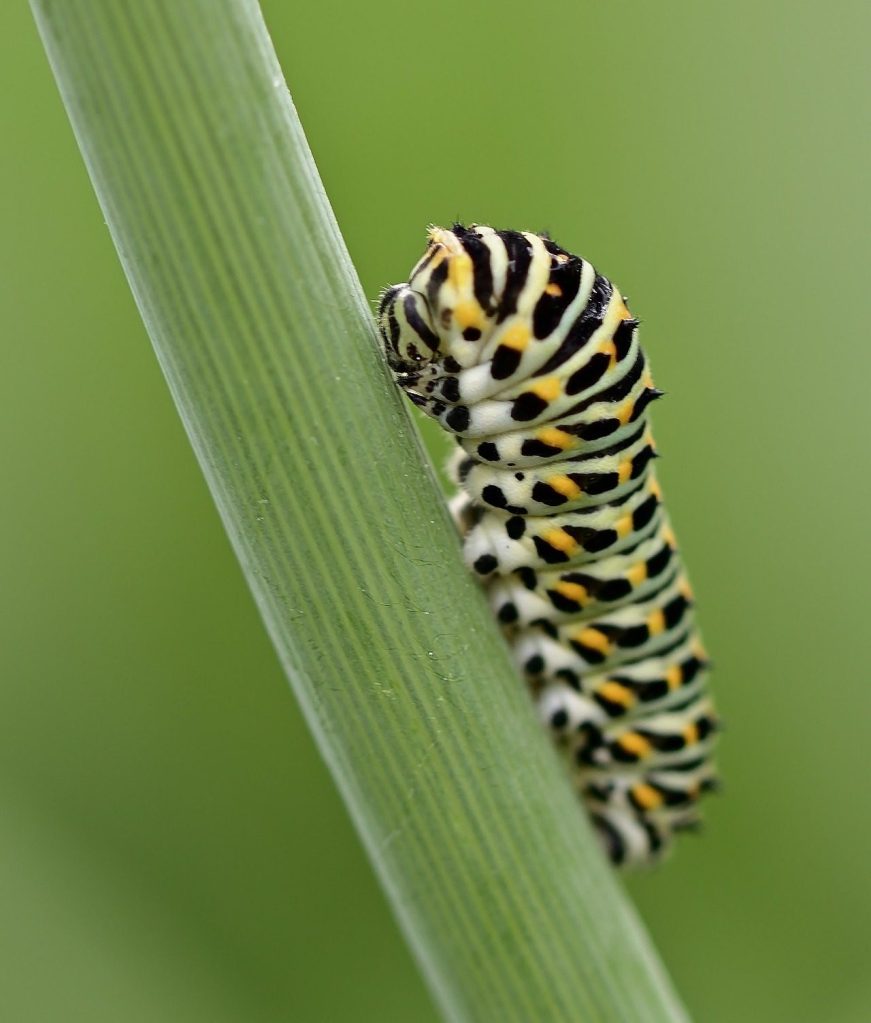
The way we talk about insects (or the way we ‘frame’ them) is central to how we feel about and perceive them. Let’s take an example. If I call the oak processionary moth caterpillars “invasive insects with toxic, harpoon-like hairs that are harmful to pets”, that likely provokes a different reaction to if I call them “clever insects whose colonies trick predators into thinking they’re snakes by walking in a long line”. See? It’s the same insect (well, technically, larva) but the first description frames them as threatening whereas the second frames them as intelligent. What we don’t know, though, is which frames reinforce which perceptions, and which frames work best for encouraging insect conservation.
As a first step, we’re researching how insects in the UK are framed in public communication, for example, in news articles, social media posts, charity campaigns, TV documentaries, podcasts and school materials. We’re asking questions like what names and descriptions do we use for different insect species? Are different species represented as doing different actions? And are there repeated frames that insects play a role in (like biodiversity loss or invasive species)?
Once we’ve answered these questions, the next step is to research how those different frames might affect public perceptions of and attitudes towards insects in UK urban areas. Here, we’ll be asking questions like which frames do or do not encourage people to take up conservation actions? And do demographic factors (such as age and gender) make a difference to the effects of frames on perceptions and intentions?
We also want to know about children’s perceptions of insects, so we’re also researching how children engage with school educational materials about insects and how their experiences with insects are negotiated through gendered identities.
To get a bit technical, we use methods and techniques from Corpus-Assisted Discourse Analysis, or CADS. We’ll collect millions of words of UK public communication about insects and put them all into one database, called a corpus. We’ll be able to look at quantitative patterns of words in the corpus using specialist software, and this will guide us to make qualitative interpretations of how insects are framed. For children’s experiences, we’ll explore interactions and conversations about insects between children and their families.
For testing the effects of frames, we use methods from experimental psychology, like surveys and reaction time tests. We’ll develop test materials based on the corpus analysis findings and distribute to respondents in target urban areas. We’ll then use statistical tests to explore the relationships between frames, their effects and demographic variables.
The core project team are a group of linguists based in the Centre for Language, Discourse and Communication at King’s College London. The extended project team includes academics working in entomology, psychology, science communication, sociology, critical animal studies, science education and various sub-disciplines of linguistics. We’re all bringing different perspectives and expertise to the research!
The project runs for three years, from September 2026 to August 2029. After about 18 months, we’ll have finished analysing the insect frames in public communication and move on to testing their effects on the public.
We received a Research Project Grant of just over £370,000 from The Leverhulme Trust.

